







Why Choose ABA?
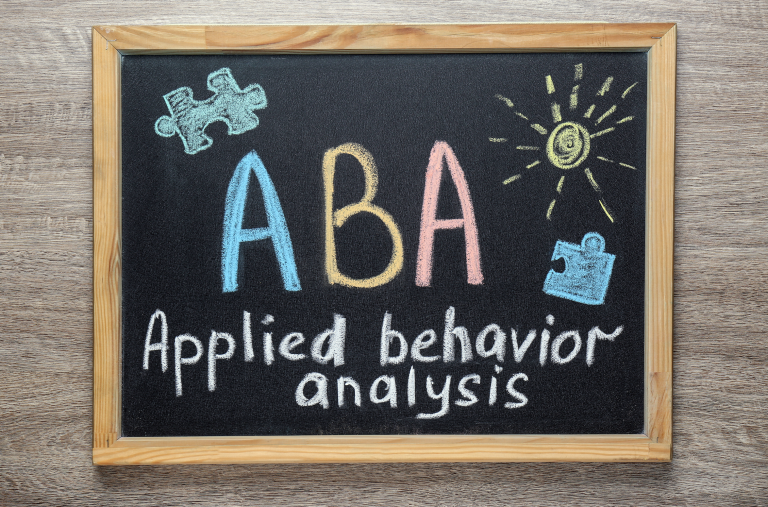
ABA therapy is unique in the way it helps children learn. There are reasons why historically it has been one of the most effective ways of treating children diagnosed with Autism.
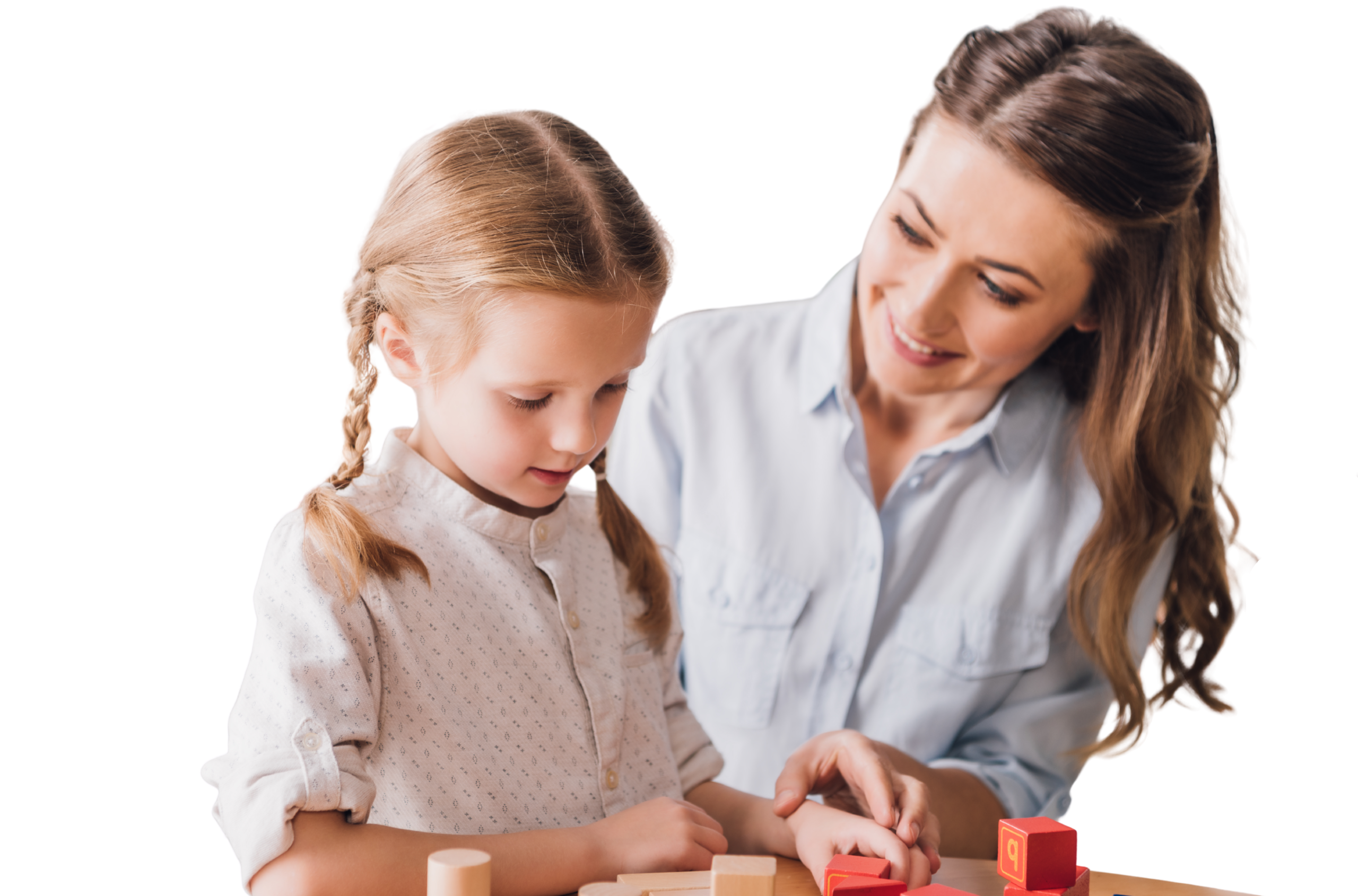
When started at an early age, ABA therapy can benefit children by targeting and addressing challenging behaviors.
The main goal of ABA therapy is to teach positive skills that help with independence in everyday life and reduce negative behaviors. The benefits of this therapy are very significant and can be life-altering for children.
How ABA Therapy Assists With Autism
OUR IMPACT BY THE NUMBERS
What Is Autism?
Autism Spectrum Disorder (ASD) is a neurodevelopmental difference that affects how a person communicates, relates to others, processes sensory information, and engages with interests and routines. It’s called a spectrum because autistic people have a wide range of strengths, traits, and support needs that can change over time.
What Causes Autism?
Research points to multiple factors, primarily genetic, with complex environmental influences; there is no single cause. Major public-health agencies agree that vaccines do not cause autism.
Clinicians diagnose Autism based on two areas
Clinicians diagnose ASD based on two areas:
- Social communication/interaction.
- Restricted or repetitive behaviors/interests.
A diagnosis requires traits from both areas, observed now or by history, with impact on daily functioning.
Is ABA Therapy Effective?
ABA is one of the most studied autism interventions. Large reviews and clinical guidelines consistently find that ABA-based programs help many children improve communication, learning, adaptive (daily-living) skills, and social engagement. Outcomes vary by child (there’s no one-size-fits-all), but ABA has among the strongest evidence base of any behavioral approach for autism.
What The Research Shows
What Results Can Look Like
Families commonly report and our data often show improvements such as:
More functional communication (requesting help/breaks, expressing needs.)
Better self-regulation (tolerating changes, waiting, using coping tools.)
Increased daily living skills (toileting, feeding, dressing)
Greater independence (starting/finishing tasks with fewer prompts)
Stronger social/play skills (turn-taking, group participation)

We track progress session-by-session and adjust the plan so gains carry over to home, school, and the community.
What Influences Outcomes
What ABA is NOT
ABA is not a “cure,” and it should not be about forcing compliance. Modern, compassionate ABA centers assent, dignity, and self-advocacy, prioritizing functional skills that matter to your child and family. We blend structured teaching with play-based learning and functional communication so progress feels respectful and sustainable. (This approach aligns with current best-practice discussions in the research community.)