Finding the Right ABA Center Near You in Mesa, AZ
Searching for quality ABA centers near you in Mesa, AZ? Discover expert, individualized therapy focused on communication, independence, and daily-life
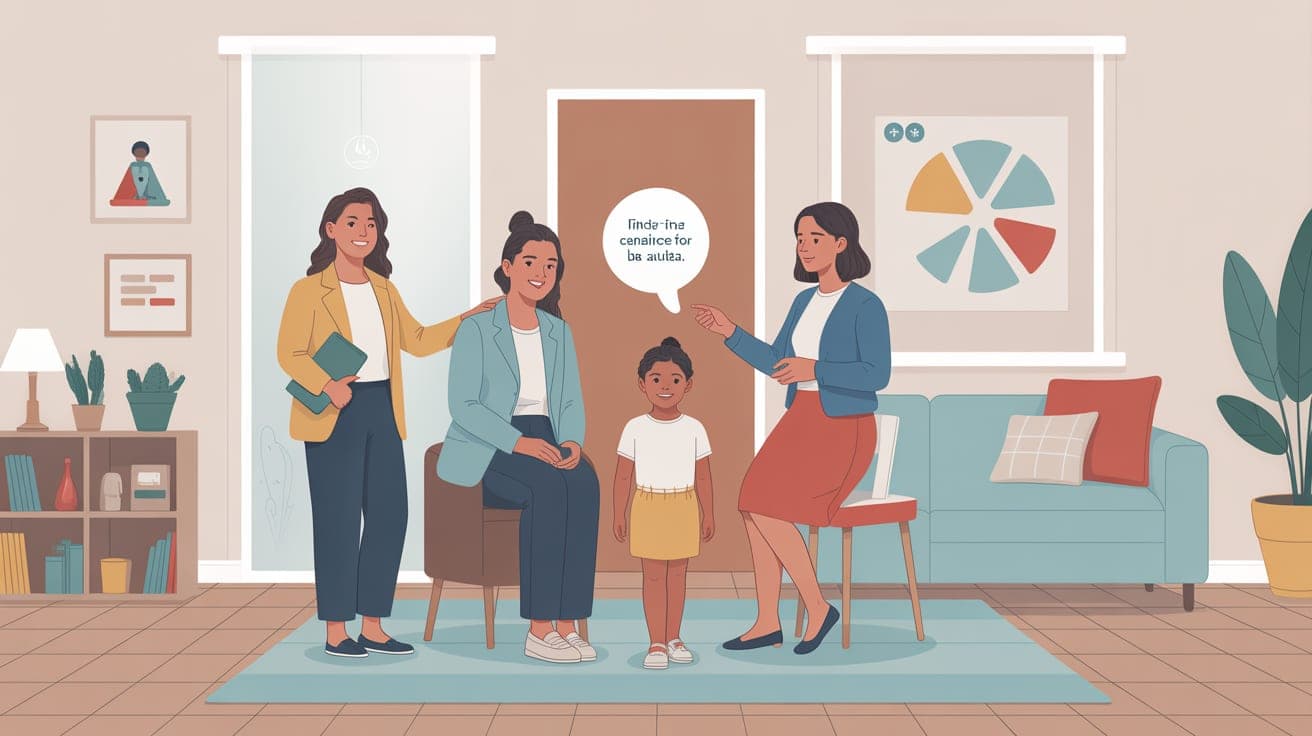
Finding the right ABA centers near me in Mesa, AZ, involves selecting a partner like Inspirecenterforautism that prioritizes your child’s assent and builds functional, real-world skills. The best care goes beyond simple proximity, focusing on truly individualized programs designed by Board Certified Behavior Analysts (BCBAs) to foster lasting communication and independence.
What is Applied Behavior Analysis (ABA) Therapy?
Applied Behavior Analysis (ABA) is an evidence-based therapy that focuses on understanding behavior and how it is affected by the environment. The primary goal of ABA is to increase helpful behaviors and decrease behaviors that are harmful or interfere with learning. It works by breaking down complex skills—like having a conversation, getting dressed, or waiting for a turn—into small, teachable steps. These skills are then taught using positive reinforcement, rewarding the child for their effort and success to build motivation and confidence.
At its core, modern ABA is not about changing who your child is. It is about giving them the tools they need to communicate their wants and needs, build meaningful relationships, and navigate their world with greater independence and less frustration. It is a highly data-driven approach; therapists collect detailed information during every session to track progress and make objective decisions about the program, ensuring the therapy remains effective and tailored to your child's evolving needs.
How Do I Choose Between Different ABA Centers Near Me in Mesa?
The most effective ABA therapy is rooted in a philosophy of care that aligns with your family’s values. When you search for ABA centers near me, you are not just looking for a location; you are looking for a team that will become a central part of your child’s support system. Use these criteria to evaluate your options and find a center that is truly the right fit.
| Criterion | What to Look For | Why It Matters |
|---|---|---|
| Care Philosophy | Assent-based practices and a focus on the child's dignity and autonomy. Ask how they respond if a child says "no." | Ensures therapy is respectful, builds trust, and avoids creating aversive experiences. It teaches self-advocacy alongside other skills. |
| Program Design | Truly individualized plans designed and directly supervised by a Board Certified Behavior Analyst (BCBA). | A one-size-fits-all approach is ineffective. Your child's unique strengths, challenges, and motivations must be the foundation of their program. |
| Family Involvement | Structured parent training, regular communication, and collaborative goal-setting. Therapy shouldn't happen in a vacuum. | You are your child's most important teacher. Therapy is most effective when skills are consistently reinforced and generalized to the home and community. |
| Staff Credentials | A BCBA leads the case, and direct therapy is provided by trained Registered Behavior Technicians (RBTs). | Guarantees the team has the required clinical expertise, ongoing training, and ethical oversight to provide high-quality, effective care. |
| Environment | Clean, safe, and engaging center designed for learning. Options for hybrid (center and in-home) models. | The physical space should be motivating and support skill development. Hybrid models help your child apply what they've learned in their natural environment. |
What Does Assent-Based ABA Care Actually Look Like?
Assent-based care is a compassionate, modern approach to ABA that prioritizes the child's voice, autonomy, and willing participation in therapy. It represents a critical shift away from older, compliance-focused models. Instead of requiring a child to complete a task regardless of their feelings, an assent-based model respects their right to say “no,” either verbally or through body language.
Here is how this philosophy works in practice:
- Honoring Communication: If a child turns away, pushes a task away, or says “all done,” the therapist acknowledges and honors that communication. They do not force the child to continue. This builds trust and teaches the child that their voice matters.
- Building Motivation: Instead of forcing compliance, the therapist focuses on making the learning activity more engaging and motivating. They might offer choices, incorporate the child’s special interests, or change the environment to make the task more appealing.
- Co-Creating Goals: The child is treated as an active participant in their own therapy. Therapists observe what the child is interested in and build learning opportunities around those interests, turning play into powerful teaching moments.
- Focusing on Trust: The therapeutic relationship is the foundation. An assent-based approach ensures the child feels safe, respected, and understood, which makes them more available and eager for learning.
This model doesn't mean a child never has to do non-preferred things. Instead, it means we build up to those challenges from a foundation of trust and use positive reinforcement to make the experience rewarding.

How Does Inspirecenterforautism Create an Individualized Program?
An effective ABA program is never a pre-packaged curriculum; it is a dynamic, customized plan built around one specific child. At Inspirecenterforautism, the process begins with a comprehensive assessment conducted by a BCBA. This goes far beyond a simple checklist. We observe your child in a natural play setting, use standardized assessment tools like the VB-MAPP or ABLLS-R, and most importantly, we listen to you. You know your child best, and your goals for their future are the North Star of our program design.
From this assessment, the BCBA develops a unique treatment plan with specific, measurable goals in areas like:
- Communication: Expanding vocal language, using sign language, or mastering an augmentative and alternative communication (AAC) device.
- Daily Living Skills: Building independence in routines like dressing, toileting, and hygiene.
- Social Skills: Learning to take turns, share, respond to peers, and engage in cooperative play.
- School Readiness: Developing skills like following group instructions, waiting, and managing transitions.
This plan is not static. Our RBTs collect data on every goal during every session. The BCBA analyzes this data constantly to identify what’s working and where adjustments are needed. If a child isn’t making progress, we don’t blame the child; we adapt the teaching strategy. This continuous feedback loop ensures that therapy is always productive and precisely targeted to your child's needs.
Choosing a therapy center is a significant decision for your family. Look for a team that sees your child for who they are and is committed to a partnership built on transparency, compassion, and a shared vision for their success.
If you are ready to learn more about our individualized, assent-based ABA programs in Mesa, AZ, contact Inspirecenterforautism to schedule a consultation.
Related services:
Frequently asked questions
How much does ABA therapy cost?
ABA therapy costs can vary based on the number of hours recommended in your child's treatment plan, your location, and your specific insurance coverage. Most major health insurance plans in Arizona, including state plans, are required to cover medically necessary ABA therapy for autism. Our team can help you verify your benefits and understand any potential out-of-pocket expenses like deductibles or copays.
Where can I get my child evaluated for autism in Arizona?
In Arizona, you can seek a diagnostic evaluation from a developmental pediatrician, a child psychologist, or a neurologist who specializes in developmental disabilities. Organizations like the Southwest Autism Research & Resource Center (SARRC) in Phoenix or various hospital networks often have dedicated diagnostic teams. Your pediatrician is an excellent first point of contact for a referral.
How can I find a quality ABA center if I live outside Mesa, AZ?
The process for finding a quality provider is similar everywhere. Start by searching the Behavior Analyst Certification Board (BACB) website for a list of certified BCBAs in your area. Use the criteria in this article—like asking about assent-based care, family involvement, and BCBA supervision—to interview potential centers. Online parent groups for your specific region can also be a valuable source of recommendations.
What is a BCBA?
A BCBA, or Board Certified Behavior Analyst, is a graduate-level, certified healthcare professional who designs and supervises ABA therapy programs. They have completed extensive coursework, thousands of hours of supervised fieldwork, and passed a rigorous certification exam. They are responsible for conducting assessments, writing treatment plans, training therapists and parents, and analyzing data to ensure the program's effectiveness.
What is the '6-second rule' I hear about in autism?
The '6-second rule,' more accurately called processing time, refers to the practice of waiting for at least six seconds after giving a child an instruction or asking a question. This extra time allows a child with autism, who may have different auditory or language processing pathways, a chance to comprehend the request and formulate a response without feeling rushed. It is a simple, respectful strategy that can significantly increase successful communication.
How is in-center ABA therapy different from in-home therapy?
In-center therapy, like that offered at Inspirecenterforautism, provides a structured, controlled environment designed specifically for learning, with access to a wide variety of materials and opportunities for peer socialization. In-home therapy focuses on teaching skills in the child's natural environment, which is excellent for generalizing skills related to daily routines. Many families benefit from a hybrid model that combines the strengths of both settings.
How long will my child need ABA therapy?
The duration of ABA therapy is highly individual and depends on the child's specific needs, the intensity of the program, and the goals set by the family and the clinical team. Some children may need a comprehensive program for several years to build foundational skills, while others may benefit from a more focused, short-term program to address specific challenges. Progress is continually monitored to determine the appropriate length of care.
- Tags:
- aba therapy
- mesa az
- autism support
- parent resources
- assent-based care
Frequently asked questions
How much does ABA therapy cost?
ABA therapy costs can vary based on the number of hours recommended in your child's treatment plan, your location, and your specific insurance coverage. Most major health insurance plans in Arizona, including state plans, are required to cover medically necessary ABA therapy for autism. Our team can help you verify your benefits and understand any potential out-of-pocket expenses like deductibles or copays.
Where can I get my child evaluated for autism in Arizona?
In Arizona, you can seek a diagnostic evaluation from a developmental pediatrician, a child psychologist, or a neurologist who specializes in developmental disabilities. Organizations like the Southwest Autism Research & Resource Center (SARRC) in Phoenix or various hospital networks often have dedicated diagnostic teams. Your pediatrician is an excellent first point of contact for a referral.
How can I find a quality ABA center if I live outside Mesa, AZ?
The process for finding a quality provider is similar everywhere. Start by searching the Behavior Analyst Certification Board (BACB) website for a list of certified BCBAs in your area. Use the criteria in this article—like asking about assent-based care, family involvement, and BCBA supervision—to interview potential centers. Online parent groups for your specific region can also be a valuable source of recommendations.
What is a BCBA?
A BCBA, or Board Certified Behavior Analyst, is a graduate-level, certified healthcare professional who designs and supervises ABA therapy programs. They have completed extensive coursework, thousands of hours of supervised fieldwork, and passed a rigorous certification exam. They are responsible for conducting assessments, writing treatment plans, training therapists and parents, and analyzing data to ensure the program's effectiveness.
What is the '6-second rule' I hear about in autism?
The '6-second rule,' more accurately called processing time, refers to the practice of waiting for at least six seconds after giving a child an instruction or asking a question. This extra time allows a child with autism, who may have different auditory or language processing pathways, a chance to comprehend the request and formulate a response without feeling rushed. It is a simple, respectful strategy that can significantly increase successful communication.
How is in-center ABA therapy different from in-home therapy?
In-center therapy, like that offered at Inspirecenterforautism, provides a structured, controlled environment designed specifically for learning, with access to a wide variety of materials and opportunities for peer socialization. In-home therapy focuses on teaching skills in the child's natural environment, which is excellent for generalizing skills related to daily routines. Many families benefit from a hybrid model that combines the strengths of both settings.
How long will my child need ABA therapy?
The duration of ABA therapy is highly individual and depends on the child's specific needs, the intensity of the program, and the goals set by the family and the clinical team. Some children may need a comprehensive program for several years to build foundational skills, while others may benefit from a more focused, short-term program to address specific challenges. Progress is continually monitored to determine the appropriate length of care.

Inspirecenterforautism
The clinical team at Inspire Center for Autism — Arizona-licensed BCBAs and Registered Behavior Technicians serving families across the East Valley from our Mesa center.


